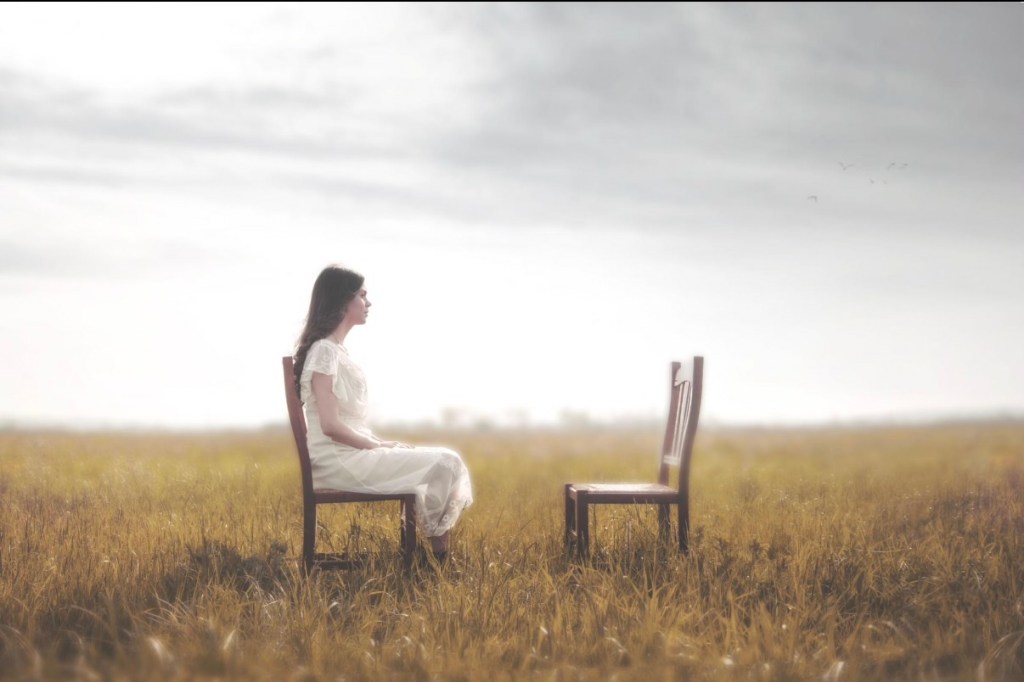
The Mind Doesn’t Forget Unresolved Injustice

The Injustice Never Leaves

Some people think time heals everything. I don’t think that’s entirely true.

Time softens the sharp edges. It creates distance. It helps us build a life around the wound. But some injustices never really leave. They simply become quieter.

Years later, a memory appears out of nowhere. A conversation. A face. A betrayal. A humiliation. A promise that was never kept. And suddenly, the anger feels as fresh as it did on the day it happened.

For the longest time, I wondered why.

Why was I still angry?

Why did certain people continue to occupy space in my mind long after they had left my life?

Then I realised something.

It wasn’t the person I was holding on to.

It was the injustice.

The mind has a difficult relationship with unfairness. It likes things to make sense. It likes actions to have consequences. It likes wrongs to be acknowledged.

But life doesn’t always work that way.

Sometimes the person who hurt you never apologises.

Sometimes the friend who betrayed you moves on as if nothing happened.

Sometimes the person who took advantage of you continues to prosper.

Sometimes your pain doesn’t even receive a witness.

And that is where the anger stays alive.

Not because you want revenge.

Not because you are bitter.

But because a part of you is still waiting for justice.

I have often imagined confronting people who hurt me. In those moments, I am not really seeking violence. What I am seeking is recognition.

I want them to understand.

I want them to see what they did.

I want the universe to admit that what happened was wrong.

But perhaps the hardest lesson of adulthood is this:

Some injustices never receive a verdict.

There is no courtroom.

No judge.

No final acknowledgment.

There is only us.

And eventually, we have to decide whether we want to spend the rest of our lives carrying a case file that will never be heard.

The injustice may never leave.

But perhaps peace begins when we stop waiting for someone else to validate it.

When we quietly say to ourselves:

‘It happened. It was unfair. It hurt me. And I don’t need anyone’s permission to know that.’

Maybe that is the closest thing to justice we ever get.
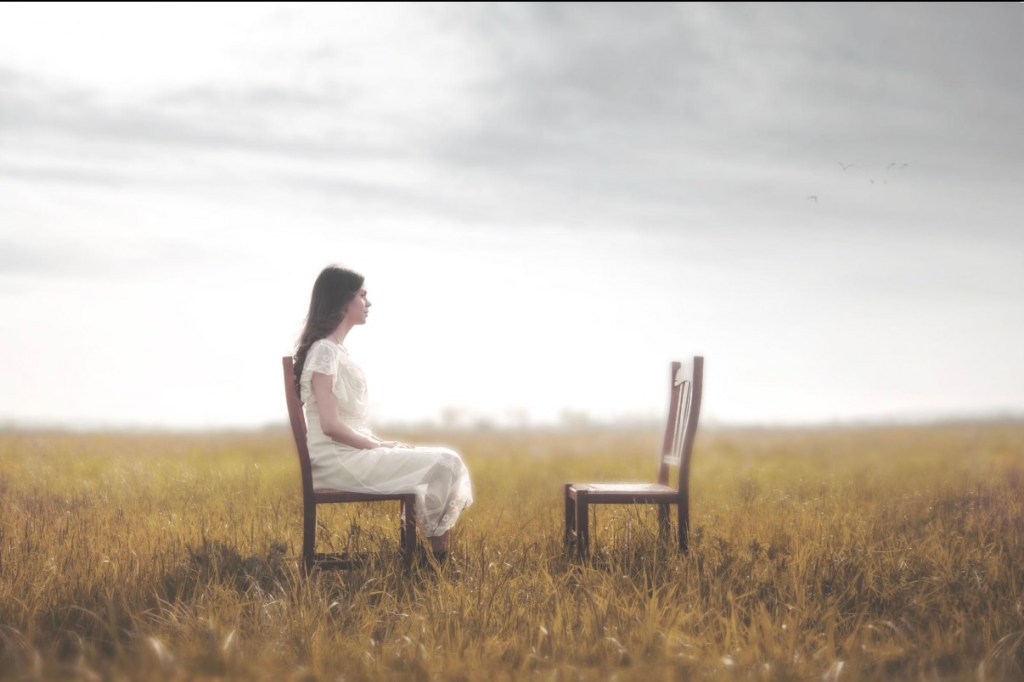
The empty chair

Responses

  1. nm@c24f Avatar

    This is beautifully written, and the pain behind it is real. But I want to offer a different frame – not to diminish the feeling, but to loosen its grip.

    The world doesn’t owe us an explanation. It never did.

    Our minds are extraordinary pattern-seeking machines. They are wired to find cause and effect, to assign meaning, to build a narrative where actions have consequences and wrongs get righted. That wiring kept our ancestors alive. But it also sets us up for a particular kind of suffering – the suffering that comes not from what happened, but from the gap between what happened and what we believe should have happened.

    We are not owed justice. Not because we don’t deserve it, but because the universe simply doesn’t operate on a ledger system. It doesn’t track fairness. It doesn’t issue verdicts. Life, at its core, is a sequence of events – some that align with our expectations, some that shatter them. When they align, we call it luck or fortune and we accept it without demanding to know why we were chosen to receive it, or whose misfortune was the flip side of our windfall. But when they don’t align – when we are on the wrong side of a random, indifferent moment – we rage at the injustice of it.

    The rage is understandable. But notice the asymmetry.

    We never interrogate our good fortune. We never ask who was denied the opportunity that landed in our lap, or what unfairness made our luck possible. We receive the good quietly and grieve the bad loudly – because our brains aren’t seeking truth, they are seeking safety. They are trying to build a predictable world so we can feel protected in it.

    The protection, though, is an illusion.

    The truest safety – the kind that actually holds – comes from accepting that things happen. That people will disappoint us, betray us, harm us, and move on without a second thought. Not because we deserved it, and not because we didn’t. Simply because that is the nature of existence. Events unfold. And the meaning we assign them is ours – it doesn’t belong to the event itself.

    You don’t need the person who hurt you to understand. You don’t need the universe to admit anything. The moment you stop waiting for a verdict from a courtroom that was never built, you stop being a prisoner in it.

    We cannot control the winds. But we can – we must – adjust our sails.

    Remain steady. Stay the course. Not because the injustice wasn’t real, but because you are more real than it is, and your life is too short to anchor it to events that have already passed.

    Liked by 1 person

    1. Sonal Agarwal Avatar

      I agree with much of what you’ve written. Age and experience have taught me many of the same lessons, that life isn’t a ledger, that the universe doesn’t hand out verdicts, and that waiting for justice can become its own prison.

      But I also think people are wired differently.

      Most injustices eventually become part of the background noise of life. The ones caused by a system, a government, a company, or even a stranger hurt, but we learn to live with them.

      What stays are the few that come from people we trusted.

      The childhood friend. The family member. The partner. The mentor. The person who knew us and still chose to hurt us.

      Perhaps it isn’t the event itself that lingers. Perhaps it’s the combination of hurt, humiliation, betrayal and above all, the complete absence of acknowledgement.

      I don’t spend my days waiting for an apology or a verdict. But I would be dishonest if I claimed those wounds have disappeared. Some experiences become part of who we are. We carry them more lightly with time, but we carry them nevertheless.

      Maybe acceptance isn’t forgetting.

      Maybe acceptance is simply acknowledging that some injustices leave a permanent mark and choosing to live a full life anyway.

      Like

Leave a comment